How to Choose Your New Smartphone with a Credit Card

Introduction

Selecting a new smartphone can be an exciting but often expensive decision. If you’re considering upgrading your mobile device, you might wonder about the best way to make the purchase. One option to explore is using a credit card for this transaction. In this article, we’ll guide you through the process of choosing a new smartphone with your credit card and offer some tips for making a wise purchase.

  1. Review Your Credit Card Benefits

Before you begin your smartphone search, take a close look at the credit cards in your wallet. Many credit cards offer various benefits that can be advantageous when making a significant purchase like a smartphone. These benefits may include:

  • Extended Warranty: Some credit cards automatically extend the manufacturer’s warranty on items you purchase, including smartphones. This can save you money on extended warranty plans.
  • Purchase Protection: Many credit cards offer purchase protection, which can cover your new smartphone in case of damage, theft, or loss for a certain period after the purchase.
  • Cashback or Rewards: Credit cards often provide cashback or rewards points on your purchases. You can use these rewards to offset the cost of your new smartphone or other expenses.
  • Price Protection: Some credit cards offer price protection, which can reimburse you the difference if you find your smartphone at a lower price shortly after purchase.
  1. Set a Budget

Determine how much you’re willing to spend on your new smartphone. Setting a budget is crucial to ensure that you choose a device that meets your needs without breaking the bank. Be realistic about what features and specifications you require in a smartphone, as this will help you narrow down your options.

  1. Compare Smartphone Options

Research various smartphone models and compare their features, specifications, and prices. Consider factors such as operating system (iOS or Android), camera quality, battery life, and storage capacity. Reading reviews and seeking recommendations from friends and family can be beneficial in making an informed decision.

  1. Check for Promotions and Discounts

Keep an eye out for promotions, discounts, or special offers from both the smartphone manufacturer and your credit card company. Some credit cards partner with retailers to offer exclusive discounts or cashback deals on certain purchases, including smartphones.

  1. Purchase from a Secure Source

When you’re ready to make your smartphone purchase, choose a secure and reputable source. Buying directly from the manufacturer, authorized retailers, or well-established online marketplaces can provide peace of mind regarding product authenticity and warranty.

  1. Verify Return and Warranty Policies

Before finalizing your purchase, review the return and warranty policies. Ensure that you understand the terms and conditions of any warranties, and consider how purchase protection through your credit card might apply.

  1. Make the Purchase

Once you’ve done your research and are ready to buy, use your credit card for the transaction. When entering your credit card information online, make sure you’re on a secure and legitimate website to protect your personal and financial data.

  1. Record and Save Receipts

After your purchase, save your smartphone receipt and make a record of the transaction. This will be important for warranty claims, potential price protection claims, and keeping track of your expenses.

Conclusion

Choosing a new smartphone with a credit card can provide you with added benefits, such as extended warranties, purchase protection, and rewards. However, it’s essential to make informed decisions, set a budget, and research your options thoroughly to ensure you get the best value for your money. By following these steps, you can upgrade your smartphone while maximizing the advantages offered by your credit card.

Author Bio:

EmpireOne Credit Solutions provides debt solutions to fix bad credit. Ask for Consumer Proposal, Debt Consolidation and Credit Counselling.
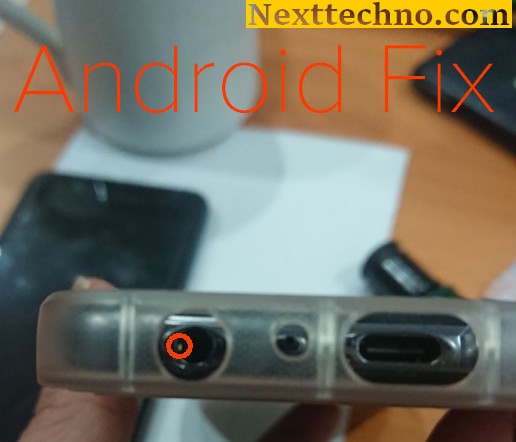
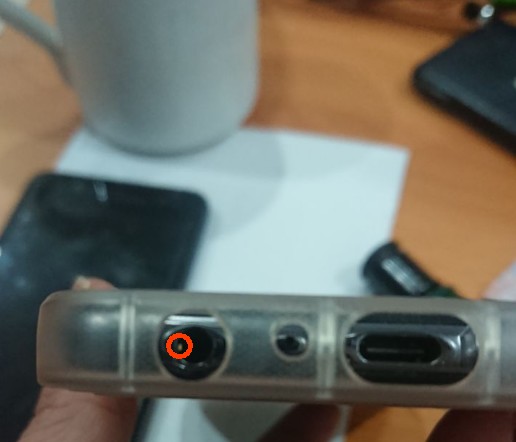
Android External Device Issues – External Microphone Issues

Do your Samsung/ Android device having several issues with External microphone from your headset/ external device? and your phone still with Jack audio? does not record a single sound on your phone.

you can listen to any sounds using your earphones/headphone but during Call the person/ calling can’t hear your own voice, tried basic call, Googlemeet & in voice recorder, still no mic sound.

and you think the headphone jack on your phone has no “input for mic”. Only has output for listening to sounds..

and you already done some basic reset such as

– Tested several headsets
– Rebooted several times
– Booted into safe mode, and mic still didn’t work.

Got Solution for you.

Just bent out the microphone pin with a small screwdriver / Pin and now it works great again.

How to Increase Your Credit Rating in Canada

Introduction

Maintaining a good credit rating is essential in Canada, as it can significantly impact your ability to secure loans, credit cards, and favorable interest rates. A higher credit rating reflects your financial responsibility and increases your chances of approval for various financial products. If you’re looking to improve your credit rating in Canada, this article will provide you with actionable steps and tips to achieve a healthier financial profile.

  1. Obtain Your Credit Report

The first step in improving your credit rating is to know where you currently stand. In Canada, you can request a free copy of your credit report from each of the two major credit reporting agencies: Equifax and TransUnion. Review your credit reports carefully to ensure accuracy and identify any errors or discrepancies that may be affecting your score.

  1. Pay Your Bills on Time

One of the most significant factors affecting your credit rating is your payment history. Consistently making on-time payments for your bills, loans, and credit cards is crucial. Late or missed payments can have a negative impact on your credit score. Set up reminders or automatic payments to ensure you never miss a due date.

  1. Reduce Credit Card Balances

High credit card balances relative to your credit limit can negatively affect your credit rating. Aim to keep your credit card balances below 30% of your credit limit. Reducing credit card debt not only improves your credit rating but also saves you money on interest charges.

  1. Avoid Applying for Too Much Credit

Each time you apply for credit, a hard inquiry is made on your credit report. Applying for multiple credit products in a short period can be seen as a red flag by lenders and can lower your credit score. Be selective and only apply for credit when necessary.

  1. Diversify Your Credit Mix

Having a mix of different types of credit accounts, such as credit cards, installment loans, and a mortgage, can positively impact your credit rating. A diverse credit portfolio demonstrates your ability to manage different types of credit responsibly.

  1. Build a Positive Credit History

If you’re new to credit or have a limited credit history, consider building a positive credit history with a secured credit card or a credit builder loan. These tools can help you establish a track record of responsible credit use.

  1. Keep Older Accounts Open

The length of your credit history is an essential factor in your credit rating. Closing older accounts can shorten your credit history, potentially lowering your score. Instead, keep these accounts open, even if you don’t use them regularly.

  1. Address Delinquent Accounts

If you have any delinquent or defaulted accounts, it’s essential to address them. Contact your creditors and work out a repayment plan or negotiate a settlement if necessary. Resolving these accounts can have a positive impact on your credit rating.

  1. Limit the Use of Credit Repair Companies

Be cautious of credit repair companies that promise quick fixes for your credit rating. Many of these companies charge hefty fees and may not provide the results they claim. You can take most steps to improve your credit on your own.

  1. Patience and Persistence

Improving your credit rating takes time and consistent financial responsibility. It’s essential to be patient and stay committed to making positive financial choices. Your credit rating will gradually improve as you implement these strategies.

Conclusion

Increasing your credit rating in Canada is a valuable financial goal that can open doors to better lending opportunities and lower interest rates. By following these steps, managing your credit responsibly, and addressing any issues on your credit report, you can steadily improve your credit rating and enhance your overall financial well-being. Remember that good credit is an essential asset, and it’s well worth the effort to maintain and improve it.

The Importance of Smartphones in Today’s World

Introduction

Smartphones have become an integral part of our daily lives. These pocket-sized devices have evolved from being simple communication tools to versatile hubs that connect us to the world. In today’s fast-paced and technology-driven society, the importance of smartphones cannot be overstated. They have transcended their initial purpose of making calls and are now indispensable tools for communication, productivity, entertainment, and much more. In this article, we will explore the numerous reasons why smartphones are so essential in the modern world.

1.Communication

The primary function of a smartphone is, of course, communication. These devices allow us to make voice calls, send text messages, and connect with others through various instant messaging apps and social media platforms. The ability to stay in touch with family, friends, and colleagues is crucial in today’s interconnected world. Smartphones have made long-distance communication effortless, enabling us to bridge geographical gaps and maintain relationships regardless of location.

2.Information at Your Fingertips

Smartphones serve as portable libraries, giving users access to a wealth of information. With a few taps on the screen, you can browse the internet, access news, research topics of interest, and stay informed about the world. This instant access to information has transformed the way we learn, stay updated, and make informed decisions in our personal and professional lives.

3.Productivity

Smartphones are productivity powerhouses. They allow us to manage schedules, set reminders, and collaborate with colleagues on the go. With various productivity apps, you can create, edit, and share documents, spreadsheets, and presentations. Whether you’re a student, professional, or entrepreneur, smartphones provide tools that streamline tasks and enhance efficiency.

4.Navigation

Gone are the days when you needed physical maps or had to ask for directions. Smartphones have GPS capabilities that provide real-time navigation and turn-by-turn directions. This technology has not only made traveling more convenient but also improved safety and reduced the stress associated with getting lost.

5.Entertainment

Smartphones are versatile entertainment hubs. They provide access to a wide range of entertainment options, including music, movies, games, and e-books. Streaming services, such as Netflix and Spotify, have made it easier than ever to enjoy your favorite content anytime and anywhere. For many, smartphones have replaced traditional entertainment devices.

6.Social Connection

Social media apps have revolutionized the way we connect with others. Through platforms like Facebook, Instagram, Twitter, and Snapchat, we can share our lives, connect with like-minded individuals, and even forge professional relationships. Social media has become a fundamental aspect of modern communication and networking.

7.Photography and Videography

The camera technology in smartphones has advanced significantly, allowing users to capture high-quality photos and videos. With the advent of social media and image-sharing platforms, everyone has become a potential photographer. Smartphones enable us to document our lives and share memorable moments with ease.

8.Mobile Banking

Smartphones have also transformed the way we manage our finances. Mobile banking apps enable us to check account balances, transfer funds, pay bills, and even invest from the comfort of our own homes. This convenience has revolutionized personal finance and banking.

9.Health and Fitness

For those focused on their well-being, smartphones offer various health and fitness apps to monitor activity levels, track diets, and maintain overall health. These apps provide insights into our fitness goals and help us stay accountable to our well-being.

Conclusion

In today’s fast-paced world, smartphones are indispensable tools that offer us communication, information, productivity, navigation, entertainment, and so much more. They have become essential to our daily lives, allowing us to connect with the world, stay informed, and streamline various tasks. While their importance is undeniable, it’s crucial to strike a balance in our usage and be mindful of the potential downsides, such as screen addiction and privacy concerns. Smartphones are powerful, but it’s essential to use them responsibly to maximize their benefits while minimizing their drawbacks.

Authors Bio:

Mark Berry is a paralegal and technology enthusiast, eager to discuss the latest trends and dive into Credit Counseling. He regularly writes about marketing tactics and strategies and Head Injuries. Sharing personal opinions and experiences makes him very happy, and he is always open to constructive criticism

How to Choose Your New Smartphone

Don’t buy a new phone without taking these aspects into account.

If you are not much familiar with technology then it’s difficult to go for a new smartphone. There are numerous phones available from various brands at varying price points, each targeting towards a distinct demographic. So, which handset should you get? With this advice on how to choose your first — or next — smartphone, we’re here to help. We’ll go over all of the key aspects you should be aware of and walk you through a step-by-step procedure that will reduce your alternatives to just a few, making your buying decision much easier.

Right Hardware

Now that we’ve gotten the software out of the way, let’s look at the factors that contribute to a successful smartphone experience. Aside from software, the design, cameras, display, performance, and battery are the five essential pillars of a great smartphone. In this section, we’ll go over what to look for when purchasing a new phone in each of these categories.

Camera

When it comes to shooting our daily lives, many of us have abandoned our traditional digital point-and-shoot cameras in favor of smartphones. It’s always easy to take photos from the device that is always with you & that’s why it’s quality matters. You’ll also notice that higher-end models feature a plethora of camera lenses, so understanding what these systems can offer is essential.

Camera Models

Most cell phones contain at least one regular wide-angle camera, which is typically used in everyday photography. Some even include an ultrawide camera, which produces a wider image than a standard lens. If your phone has a telephoto camera with a zoom range of 2x-4x, it will be able to zoom into a subject or landscape without losing any information in the process.

Pixels and Video Resolution

When looking for cell phones, you’ll notice that the built-in camera has a numerical value labeled as megapixels or MP. Megapixels simply relate to the resolution or image quality of the camera. An 8 MP camera, for example, may capture an image with 8 million megapixels. Abt cell phones feature front cameras with resolutions ranging from 7-32 MP and back cameras with resolutions ranging from 12-200 MP. Nowadays, however, we not only use cell phone cameras for images, but also for video. Pay attention to the video resolution available in the gadget specifications (at Abt, anywhere from 1080p to astonishing 8K).

Battery Life

The capacity of a cell phone battery is measured in milliamp hours, which simply relates to the size of the battery itself. While this information may be useful when shopping for a new device, keep in mind that many factors influence battery performance, including your operating system, network/data usage, display size/type, and more. It also depends on what everyday duties and features, such as social media and gaming apps, one would use on a daily basis. Certain smartphones are also designed to optimize battery hours; this is something to look for as it becomes useful when there are no outlets nearby. Abt’s cell phones have capacities ranging from 2800 mAh to 5000 mAh.

The Display

The display could be the most important component of the phone experience. After all, it is the component that allows you to engage with the gadget, and you will be staring at it for hundreds, if not thousands, of hours.

The sharpness of text and graphics is determined by screen resolution. Most modern devices have a Full HD+ (about 22001080) or QHD+ (25601440) resolution. Some smartphones, such as the Sony Xperia 1 IV, have 4K displays, but for most people, this is overkill. 4K is frequently difficult to identify on TVs smaller than 55 inches, let alone a phone. Overall, it’s as important as the Camera of the phone.

Keep in mind that for most people, factors like cameras, battery life, and resolution are more important than refresh rate, so going for a phone with a 60Hz display isn’t the end of the world. It will not appear sluggish.

Authors Bio:

Mark Berry is a paralegal and technology enthusiast, eager to discuss the latest trends and dive into credit counselling. He regularly writes about marketing tactics and strategies and Head Injuries. Sharing personal opinions and experiences makes him very happy, and he is always open to constructive criticism